We have seen in a previous article that reducing the Cost of Delay (CoD) is the reason that justifies and spends the adoption of agile approaches in physical product development, which are accompanied by higher material costs that are not compensated by the lower amount of work done.
In fact, agility maximizes the work not to be done through continuous adaptation.
The increased speed of development pushes companies to look up from the very short term because, increasingly high-performing teams need to be nurtured with ideas, possibly innovative and business sound.
Reducing the cost of delay enables companies to justify adapting means and people to the challenge of a VUCA world.
I remember during a workshop on agility at a company that develops electronic products with software, the brilliant technical manager asked me a question of which I report what I perceived: if we organize ourselves in this way it is necessary that we think with a medium and long-term perspective which products to develop, otherwise the teams would not be fed continuously
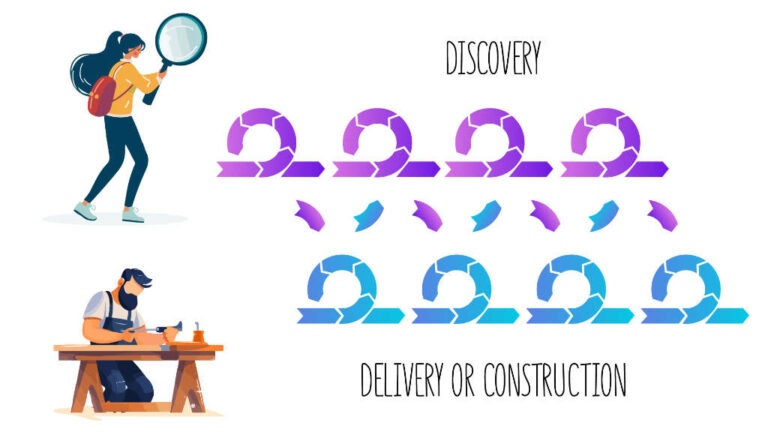
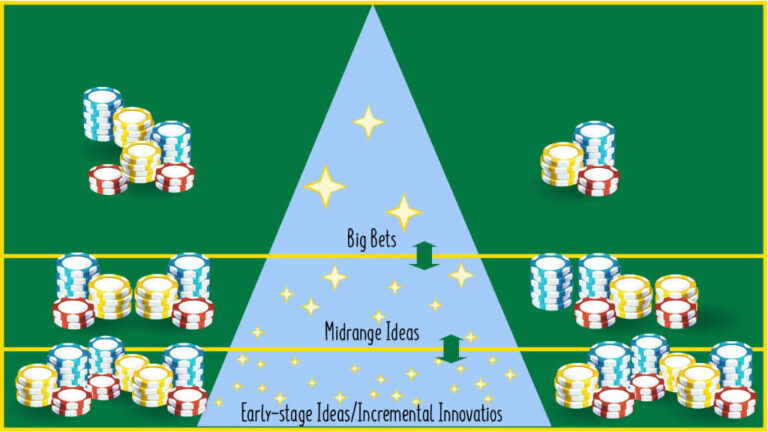
He fully understood one of the challenges involved in an Agile transition. The adjustment of means and people strongly drives the company to introduce and manage a portfolio of Product Idea Exploration projects and New Product Development projects.
Without proper portfolio management in terms of business value and prioritization, fast agile teams, may find themselves developing products with little business success, or find themselves not properly nurtured.
There is no greater form of waste and demotivation to have high-performing teams being engaged in the development of an uninnovative product with little commercial success.
Product failure is often experienced by the team as a failure of the team itself. In this case, the major responsibilities should instead be given to the Product Owner, who has the very delicate task of properly evaluating the project from a business perspective and managing pressures from management and the team.
It is therefore necessary to particularly develop product ideas with Exploration projects, which I described in the previous article “The Product Exploration Project”
Exploration projects then make placed in a relative portfolio.
From my experience both with and executive in a company and as a consultant, I have found it convenient to manage a single portfolio containing both exploration and new product development projects.

With a single portfolio, it is easier to synchronize the start of new development projects with the eventual acceleration or slowdown of exploration projects
I will return with an upcoming article on metrics for prioritizing projects within the portfolio.